Disclaimer: This post is for educational and informational purposes only and does not provide financial advice or investment guidance.
Introduction
Digital workplace platforms have become central to how organizations manage internal communication, documentation, and structured workflows. Among these systems, the ccc portal, often referenced as mycccportal or cccportal, is frequently discussed in relation to centralized employee access environments.
This article provides a structured and neutral overview of how such a platform is typically organized, how registration processes are structured, and how navigation functions within a portal-based digital ecosystem.
What Is a CCC Portal?
A ccc portal is generally understood as a centralized digital interface designed to provide authorized users with access to organizational resources. These resources may include internal announcements, document repositories, scheduling tools, training modules, and administrative dashboards.
Unlike public websites, a portal environment is structured around authenticated access. Each user typically receives credentials linked to a specific organizational profile. The purpose of such systems is not promotional but operational — enabling structured information flow inside an organization.
The term mycccportal often refers to the personalized view of this system, where users access role-specific features and content.
Registration and Account Setup Process
Registration in enterprise portals typically follows a controlled process. Access is usually initiated by an organization rather than through open public enrollment.
Common steps include:
- Invitation or Internal Enrollment
Users are added to the system by administrators or receive an official enrollment link. - Identity Verification
Basic identity confirmation ensures that access permissions align with organizational roles. - Credential Creation
Users set up secure login credentials, often including password requirements and optional authentication layers. - Profile Configuration
After initial access, users may complete profile information relevant to their department or function.
It is important to note that structured onboarding in platforms like cccportal prioritizes security and controlled access rather than open registration.
Dashboard Layout and Interface Structure
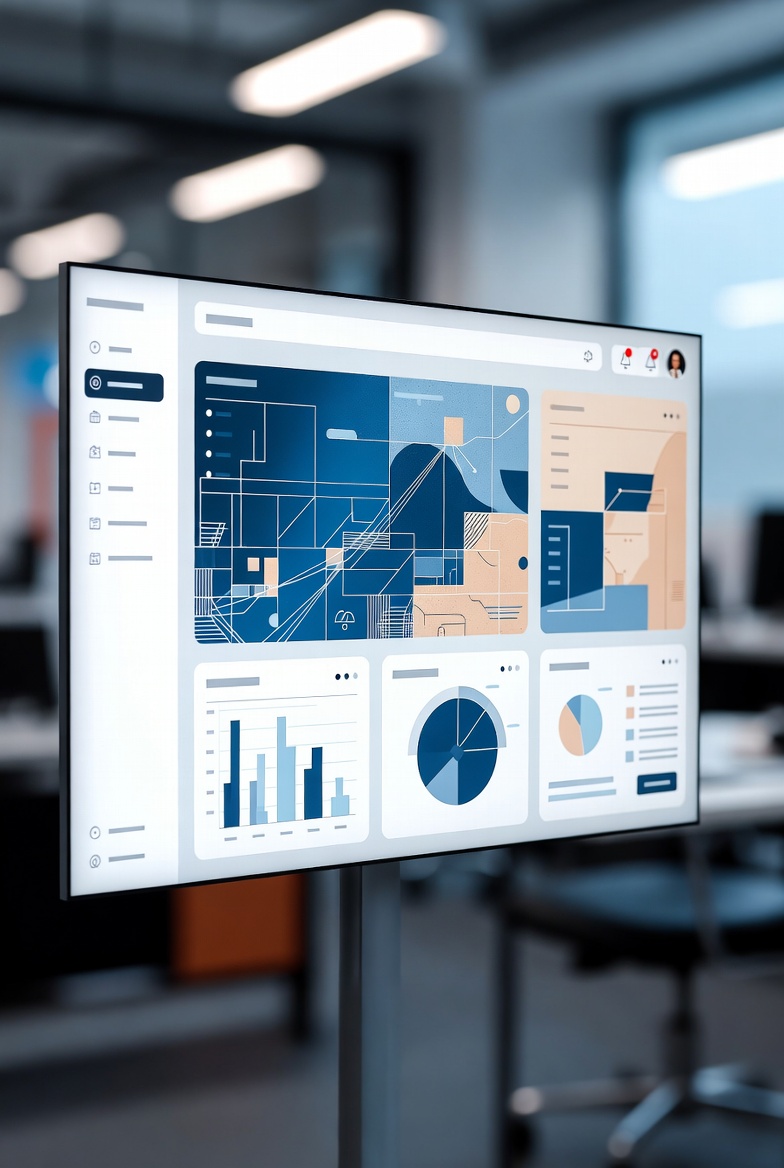
Most modern portal platforms share similar structural characteristics. The interface typically includes:
- Navigation Sidebar – A vertical menu providing access to modules such as documents, announcements, schedules, or internal tools.
- Central Dashboard Panel – Displays summaries, alerts, or recently updated content.
- User Profile Section – Contains account preferences, notifications, and role-based permissions.
- Search Functionality – Allows users to quickly locate documents or internal resources.
The design philosophy behind systems like mycccportal focuses on clarity, structured hierarchy, and minimizing unnecessary complexity.
Navigation and Daily Use
Navigation within a ccc portal generally follows a logical structure:
- Primary categories are visible immediately upon login.
- Subsections expand within each category.
- Breadcrumb indicators help users track their location within the system.
- Notification panels highlight updates or required acknowledgments.
In practice, daily use often includes reviewing announcements, accessing departmental documents, completing assigned tasks, or updating profile details. The platform’s structure aims to streamline these interactions without requiring advanced technical knowledge.
Comparison with Other Digital Workplace Platforms
While the cccportal environment has its own branding and internal configuration, its structural principles resemble other enterprise systems such as HR dashboards, intranet portals, and learning management platforms.
Common shared characteristics include:
- Role-based access controls
- Modular dashboard design
- Secure authentication processes
- Centralized communication tools
The distinguishing factor between platforms typically lies in customization level, interface layout, and integration with internal systems rather than fundamental architectural differences.
Security and Access Management
Security remains a core component of any workplace portal. Systems similar to mycccportal commonly implement:
- Password complexity rules
- Multi-layer authentication
- Session time-out policies
- Activity logging
These mechanisms help protect organizational data and maintain controlled access boundaries.
Practical Considerations for Users
When using a structured digital portal, users benefit from:
- Keeping credentials secure
- Regularly reviewing notification panels
- Updating profile information when organizational roles change
- Logging out after shared-device sessions
These practices contribute to maintaining system integrity and ensuring accurate information flow.
Conclusion
The ccc portal framework represents a structured approach to digital workplace management. By centralizing communication, documentation, and role-based access, platforms such as mycccportal or cccportal provide organizations with a consistent internal environment.
Understanding the registration structure, dashboard organization, and navigation logic allows users to interact with these systems more effectively. The platform’s value lies not in promotion but in operational clarity and structured information access.
Disclaimer: This post is for educational and informational purposes only and does not provide financial advice or investment guidance.


0 Comments