Disclaimer: This post is for educational and informational purposes only and does not provide financial advice or investment guidance.
Introduction
Enterprise portal systems are designed to centralize access to internal resources while maintaining structured navigation and controlled permissions. The cccportal environment, often associated with the broader ccc portal framework and referenced by users as mycccportal, represents a model of how digital workplace platforms organize interface architecture and functional modules.
This article provides an analytical overview of the structural components commonly found inside such systems. The focus is on interface logic, module categorization, and operational flow rather than on promotion or user acquisition.
The Concept of Portal Architecture
A digital portal differs from a standard website because it is built around authenticated, role-based interaction. The architecture typically includes:
- A secure access gateway
- A personalized dashboard layer
- Modular content sections
- Administrative configuration tools
In systems like cccportal, architecture is designed to balance clarity and control. The structure must allow users to access necessary tools efficiently while preventing unauthorized visibility across departments.
Core Dashboard Components
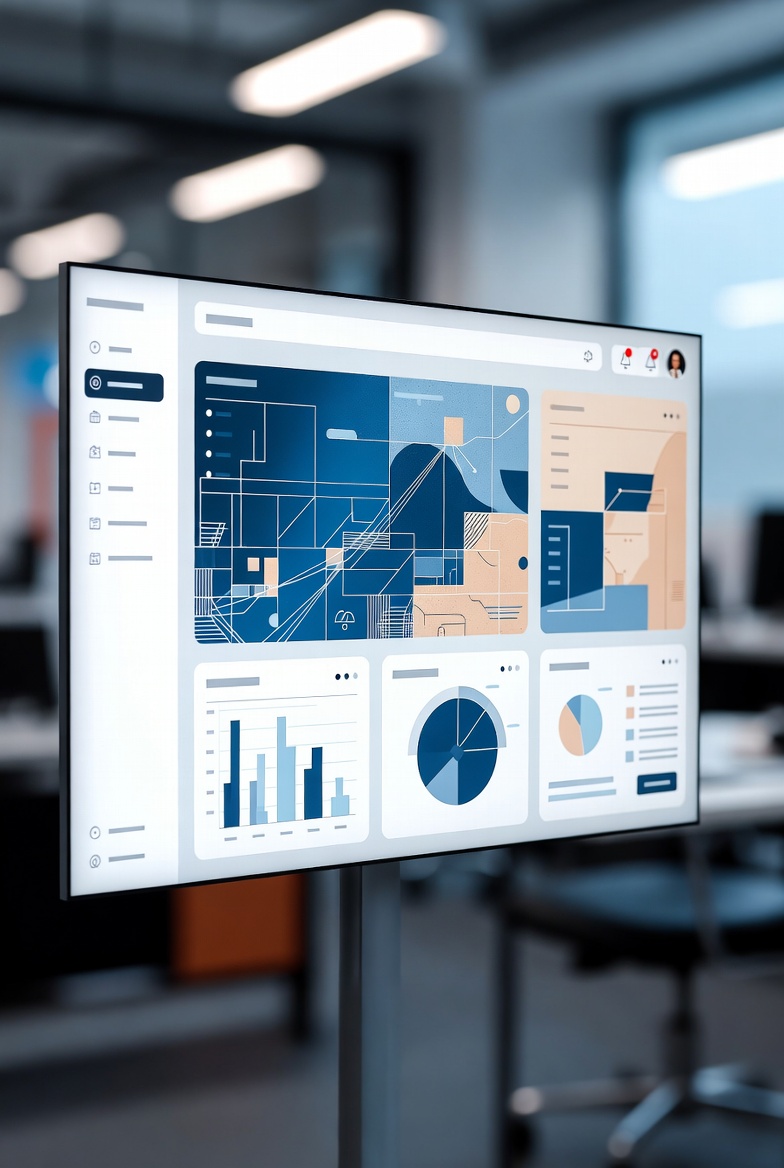
After successful authentication, users generally encounter a dashboard interface. In a ccc portal system, this dashboard often functions as the central navigation hub.
Common structural elements include:
1. Summary Panel
This section displays consolidated updates, recent activity indicators, or important notices. It serves as an orientation point immediately after login.
2. Modular Tiles or Widgets
Functional areas are often represented as tiles or expandable panels. Examples may include:
- Internal documentation modules
- Scheduling or calendar sections
- Training or informational resources
- Communication boards
Each module typically opens into a deeper hierarchical structure.
3. Notification Indicators
Visual cues signal updates that may require user attention. These are commonly positioned in the header or near specific modules.
4. Profile and Settings Area
The user profile section allows adjustment of preferences such as language, notification settings, and basic account information.
Role-Based Visibility and Permissions
A defining characteristic of platforms like mycccportal is permission-based content delivery. Not all users see identical dashboards.
Access visibility may depend on:
- Department affiliation
- Employment status
- Assigned responsibilities
- Administrative configuration
For example, a managerial role may have access to reporting modules, while another user might only see documentation and announcements relevant to their unit.
This segmentation enhances organizational clarity and reduces interface clutter.
Navigation Logic and Hierarchical Structure
Navigation within cccportal typically follows a layered hierarchy:
Primary Navigation Bar
Located vertically or horizontally, this bar provides access to major functional categories.
Secondary Subsections
Selecting a primary module expands into more specific subsections. This layered structure ensures that detailed resources are accessible without overwhelming the main dashboard.
Search and Filtering Tools
Many enterprise portals incorporate internal search functionality. Instead of browsing multiple folders, users can retrieve documents or information directly through keyword queries.
Breadcrumb Navigation
Breadcrumb indicators show the path from the homepage to the current section, improving orientation within deeper content layers.
This hierarchical approach supports both new users and experienced users by maintaining structural consistency.
Administrative Configuration Layer
Beyond the user interface, a portal system includes an administrative backend. In the context of a ccc portal platform, this layer allows designated administrators to:
- Assign user roles
- Update content sections
- Configure access permissions
- Monitor activity logs
The administrative interface is typically separated from the standard user dashboard to prevent accidental configuration changes.
Security Framework and Session Control
Security is integrated into every structural layer of systems such as mycccportal. Common mechanisms include:
- Encrypted login processes
- Automatic logout after inactivity
- Restricted access based on user authentication status
- Logging of access activity
These measures ensure that internal information remains protected and accessible only to authorized users.
Comparison with Other Digital Workplace Systems
When examining cccportal alongside other enterprise portals, several structural similarities appear:
- Centralized dashboards
- Role-based segmentation
- Modular organization
- Integrated search systems
Differences often relate to visual design, integration with external tools, and customization options. However, the architectural principles remain consistent across many digital workplace environments.
Usability and Interface Design Principles
From an educational perspective, platforms like mycccportal illustrate key usability concepts:
- Clear visual hierarchy
- Logical grouping of related functions
- Minimal unnecessary visual elements
- Predictable placement of navigation controls
These principles support efficient task completion and reduce the cognitive effort required to locate resources.
Conclusion
The cccportal environment demonstrates how structured interface architecture supports organizational workflow. Through modular dashboards, layered navigation, and role-based permissions, the broader ccc portal framework provides a clear model of digital workplace system design.
Understanding the architecture behind platforms such as mycccportal allows users to interpret similar enterprise portals with greater confidence. The emphasis remains on structured access, operational clarity, and secure information management.
Disclaimer: This post is for educational and informational purposes only and does not provide financial advice or investment guidance.


0 Comments